
Key Takeaways
- Nurses in mental health face unique challenges like emotional exhaustion, burnout, and compassion fatigue, making self-care a professional necessity.
- Prioritizing self-care enhances resilience, reduces stress, and prevents burnout, allowing nurses to sustain emotional well-being and job performance.
- Effective self-care strategies include setting healthy boundaries, practicing mindfulness, maintaining a work-life balance, and engaging in relaxation techniques.
- Building a supportive environment through peer networking, professional resources, and open communication strengthens emotional resilience and fosters connection.
- Consistent self-care improves physical health, emotional stability, and career satisfaction while supporting meaningful relationships and long-term well-being.
- By investing in self-care, nurses can maintain the energy and focus needed to provide compassionate care to their patients.
Working in mental health care is both rewarding and demanding. As nurses, we’re often the first line of support for individuals facing significant challenges, which can take a toll on our own well-being. Balancing the emotional weight of our work with personal responsibilities isn’t always easy, and it’s common to feel drained or overwhelmed.
How do we prioritize our own mental health while caring for others? Self-care isn’t a luxury—it’s a necessity. By focusing on practical strategies that fit into our busy lives, we can build resilience, reduce stress, and maintain the energy needed to provide compassionate care. Let’s explore ways to nurture ourselves so we can continue making a difference in the lives of those we serve.
Prioritize Your Well-Being as a Mental Health Nurse
Caring for others starts with caring for yourself. Mental health nurses face unique emotional and physical challenges, making self-care essential for resilience, job performance, and overall well-being. AspiraCE offers continuing education courses designed to equip you with effective self-care strategies, helping you manage stress, set healthy boundaries, and sustain compassion in your work.
Invest in yourself so you can continue providing the highest quality care. Ready to strengthen your well-being and career satisfaction? Contact us today to explore CE opportunities tailored for mental health professionals!
Importance Of Self-Care In Mental Health Nursing
Self-care directly impacts the physical and emotional well-being of mental health nurses. The intense demands of supporting patients through crises can lead to emotional exhaustion if personal health is neglected. Prioritizing self-care strengthens emotional resilience, helping nurses manage workplace stress more effectively.
Supporting others often requires a steady emotional reserve. At times, this may feel overwhelming, especially when faced with high-pressure situations. We must acknowledge the toll this takes and ask ourselves—how can we sustainably care for others if our own mental health suffers? By embracing good self-care practices, nurses can reduce burnout and foster a healthier work–life balance.
Maintaining focus and compassion while managing personal pressures is challenging. Self-care boosts concentration, enhances mood, and preserves energy levels. This enables nurses to remain present with patients during critical moments. Small, consistent habits, like regular breaks or grounding activities, can significantly improve daily well-being.
Prioritizing self-care isn’t self-indulgent—it’s a professional necessity. For instance, mindfulness exercises or reflective journaling can help process difficult interactions with patients. What strategies might work best for you to recharge and stay grounded in this demanding field?
Common Challenges Nurses Face In Mental Health
Mental health nurses encounter demanding situations that can impact their emotional and physical well-being. Let’s explore key challenges they often face and consider practical ways to address them.
Emotional Exhaustion
Daily exposure to patients’ pain and distress can leave nurses emotionally drained. Listening to traumatic stories, managing crises, and offering constant emotional support can take a toll over time. Do you ever feel like your emotional energy is depleted before the day even ends? This level of exhaustion affects focus, patience, and overall effectiveness in caregiving. Recognizing early signs of emotional exhaustion, like irritability or detachment, can help take proactive steps to restore balance.
Burnout And Stress
Long hours, unpredictable situations, and high workloads lead to persistent stress that often culminates in burnout. Burnout can show up as fatigue, cynicism, and reduced satisfaction at work. Does the sheer volume of responsibility feel overwhelming at times? This stress doesn’t only affect job performance; it can also harm physical health. Building habits like setting boundaries at work and prioritizing restorative activities outside work can reduce these risks.
Compassion Fatigue
Constantly offering empathy and care to others can result in compassion fatigue, where the ability to empathize diminishes over time. Have you ever felt emotionally numb when faced with a situation that once would have moved you deeply? This challenge blocks meaningful connections with patients and creates feelings of guilt for not being “present enough.” Practicing mindfulness and engaging in regular self-reflection can support emotional recovery and connection.\
Effective Self-Care Strategies For Nurses In Mental Health
Mental health nurses face significant emotional and physical demands. Adopting practical self-care strategies can help preserve energy, enhance focus, and build resilience.
Setting Healthy Boundaries
Establishing boundaries in professional and personal relationships protects emotional well-being. At work, defining limits around availability, especially during breaks, can prevent mental exhaustion. For example, using designated break times for rest or quiet reflection ensures uninterrupted self-recovery.
In personal life, communicating needs to family and friends clarifies expectations. Saying no to additional responsibilities when feeling overwhelmed preserves time for self-care, reducing burnout risk. Do you find it challenging to set these kinds of limits?
Mindfulness And Relaxation Techniques
Incorporating mindfulness reduces stress and enhances emotional balance. Deep breathing exercises, for instance, calm the mind in intense situations, improving focus and compassion.
Relaxation techniques like progressive muscle relaxation release tension after demanding shifts. Guided meditation apps or brief mindfulness practices during short breaks encourage moments of calm in busy schedules. What methods help you stay present during high-pressure moments?
Maintaining A Work-Life Balance
Balancing professional duties with personal time fosters sustained energy and motivation. Scheduling regular time off prevents prolonged exposure to high-stress environments. Activities unrelated to work like hobbies, physical exercise, or spending time outdoors create mental separation from daily responsibilities.
Prioritizing sleep and nutrition supports physical and emotional well-being. Proper rest restores energy, while healthy meals sustain focus throughout workdays. How can we adjust routines to give adequate attention to self-care activities?
Building A Supportive Environment
Creating a supportive environment is vital for mental health nurses to thrive personally and professionally. A strong support system fosters emotional resilience and provides needed encouragement during stressful times.
Peer Support And Networking
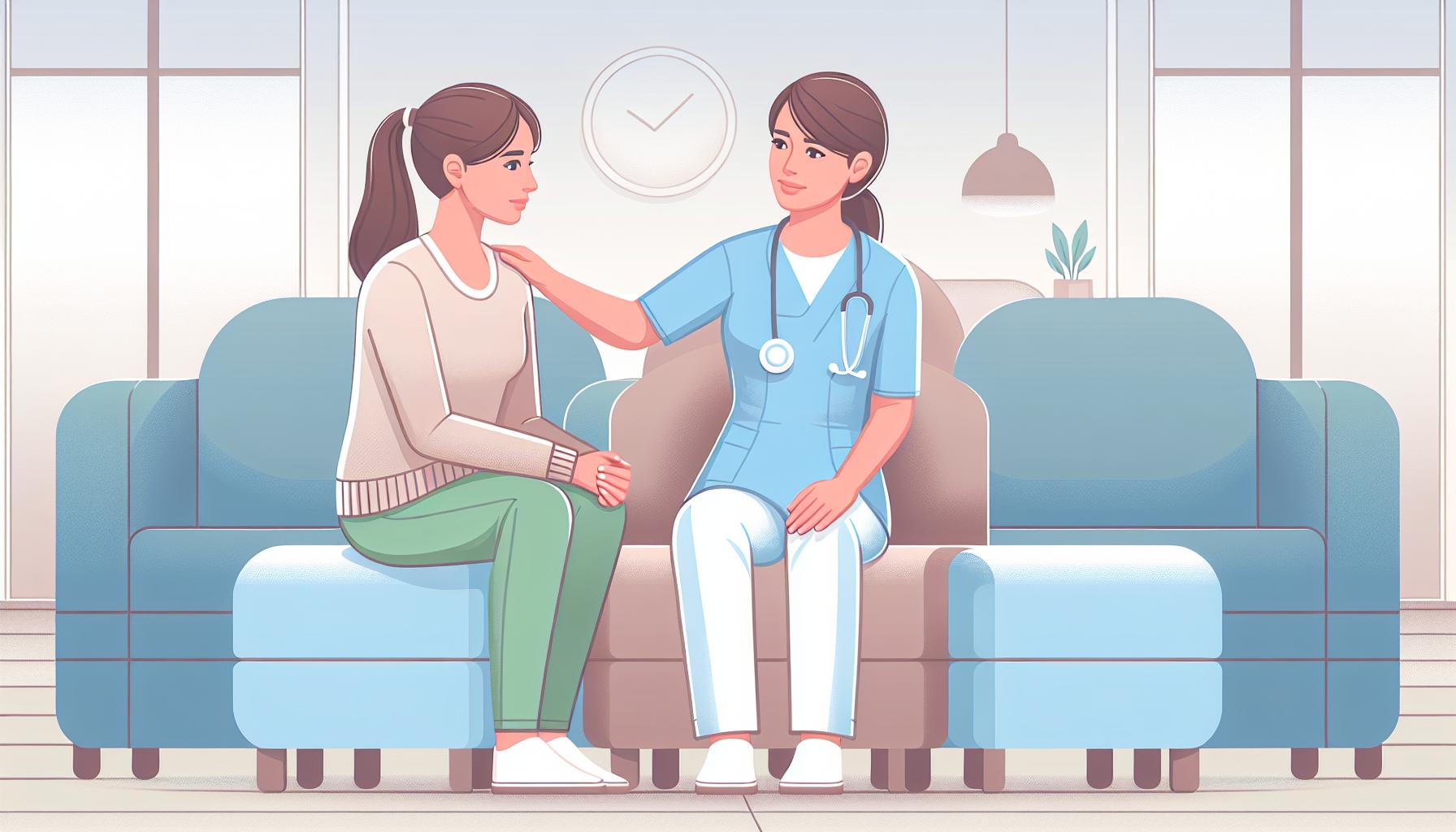
Connecting with peers who understand the demands of mental health nursing can reduce feelings of isolation. Regularly engaging in team discussions or attending support groups offers a safe space to share experiences and challenges. Collaborative problem-solving in these settings can also reveal practical solutions to workplace stress.
Participating in professional organizations is another way to build connections. These networks often provide access to educational events where nurses can exchange ideas and learn from others. What resources are available within your local community or workplace to connect with like-minded professionals?
Access To Professional Resources
Reliable professional resources help nurses manage stress and improve overall well-being. Employee assistance programs offer counseling and mental health services, providing confidential support for personal or work-related difficulties. Making use of these services can strengthen coping skills and emotional balance.
Continuing education programs and workshops focused on stress management or self-care best practices are also beneficial. They’re designed to improve knowledge while equipping nurses with strategies to handle high-pressure situations effectively. How can we take advantage of the opportunities for growth within our profession?
Long-Term Benefits Of Prioritizing Self-Care
Consistently practicing self-care helps nurses build resilience and sustain their emotional well-being. Establishing habits like mindfulness, regular breaks, and healthy boundaries reduces stress, which can prevent burnout and promote emotional balance over time. By caring for themselves, nurses can maintain the energy needed to effectively support their patients.
Self-care improves job performance by enhancing focus and decision-making abilities. When emotional exhaustion is minimized, nurses are better equipped to manage high-pressure situations. For example, regular physical activity supports mental clarity and lowers stress, leading to improved interactions with patients and colleagues.
Investing in self-care fosters long-term physical health. Proper sleep, nutrition, and stress management techniques can lower the risk of chronic illnesses linked to stress, such as cardiovascular disease. What steps could nurses take today to protect their long-term physical health?
Meaningful relationships often improve when self-care is prioritized. Stress can strain personal and professional connections, but practices like boundary-setting and open communication create stronger interactions. Isn’t it easier to connect with others when feeling emotionally stable and rested?
The benefits also extend to career satisfaction. Nurses who take care of themselves often feel a renewed sense of purpose and joy in their work. When was the last time self-care helped us feel more engaged and fulfilled professionally?
Conclusion
Self-care is the cornerstone of thriving as a mental health nurse. By committing to practices that nurture our well-being, we equip ourselves to handle the emotional demands of our roles with resilience and compassion. It’s not just about surviving the challenges but creating a sustainable path to personal and professional fulfillment.
When we prioritize our mental, emotional, and physical health, we strengthen our ability to provide the highest quality care to those who rely on us. Let’s remember that caring for ourselves isn’t a luxury—it’s an essential part of being the best nurses we can be.
Frequently Asked Questions
1. Why is self-care important for mental health nurses?
Self-care is crucial for mental health nurses because it helps prevent emotional exhaustion, burnout, and compassion fatigue. By prioritizing self-care, nurses can maintain emotional resilience, improve their focus, and manage workplace stress more effectively, enabling them to provide compassionate care to others without compromising their own well-being.
2. What are common challenges faced by mental health nurses?
Mental health nurses often face challenges such as emotional exhaustion, burnout, high workloads, and compassion fatigue. Daily exposure to patients’ pain can lead to chronic stress, fatigue, and reduced effectiveness in their roles without proper coping mechanisms.
3. What are effective self-care strategies for mental health nurses?
Effective self-care strategies include setting healthy boundaries, taking regular breaks, practicing mindfulness, maintaining good nutrition and sleep habits, and engaging in non-work activities. These practices help reduce stress, enhance focus, and sustain energy levels.
4. How can mental health nurses create a supportive work environment?
Nurses can create a supportive environment by connecting with peers, engaging in professional organizations, and utilizing resources like employee assistance programs. These actions alleviate isolation, provide stress management tools, and foster professional growth.
5. How does self-care impact job performance?
Self-care improves job performance by enhancing focus, decision-making, and emotional balance. It reduces stress, prevents burnout, and helps nurses manage high-pressure situations more effectively, allowing them to remain present and compassionate with their patients.
6. What is compassion fatigue, and how can it be addressed?
Compassion fatigue is the emotional toll of consistently empathizing with others’ pain, which can reduce nurses’ ability to connect with patients. It can be addressed through self-care practices like mindfulness, rest, and seeking peer or professional support.
7. Why is maintaining work-life balance essential for nurses?
Work-life balance is essential for nurses because it prevents chronic stress and burnout. By allocating time for non-work activities and personal interests, nurses can recharge, maintain motivation, and sustain their physical and emotional well-being.
8. What long-term benefits does self-care provide for mental health nurses?
Long-term benefits of self-care include improved emotional resilience, reduced risk of chronic stress-related illnesses, enhanced job satisfaction, and strengthened relationships. Consistent self-care practices also promote career longevity and overall well-being.
9. How can mindfulness help mental health nurses?
Mindfulness helps mental health nurses by reducing stress, improving focus, and fostering emotional balance. Techniques such as deep breathing and relaxation exercises can enhance mood and energy levels, enabling nurses to handle challenges more effectively.
10. Are professional resources helpful for managing stress in nursing?
Yes, professional resources like employee assistance programs, continuing education workshops, and peer support networks provide practical tools and guidance for managing stress. They also offer a safe space to share experiences and build coping strategies.


